
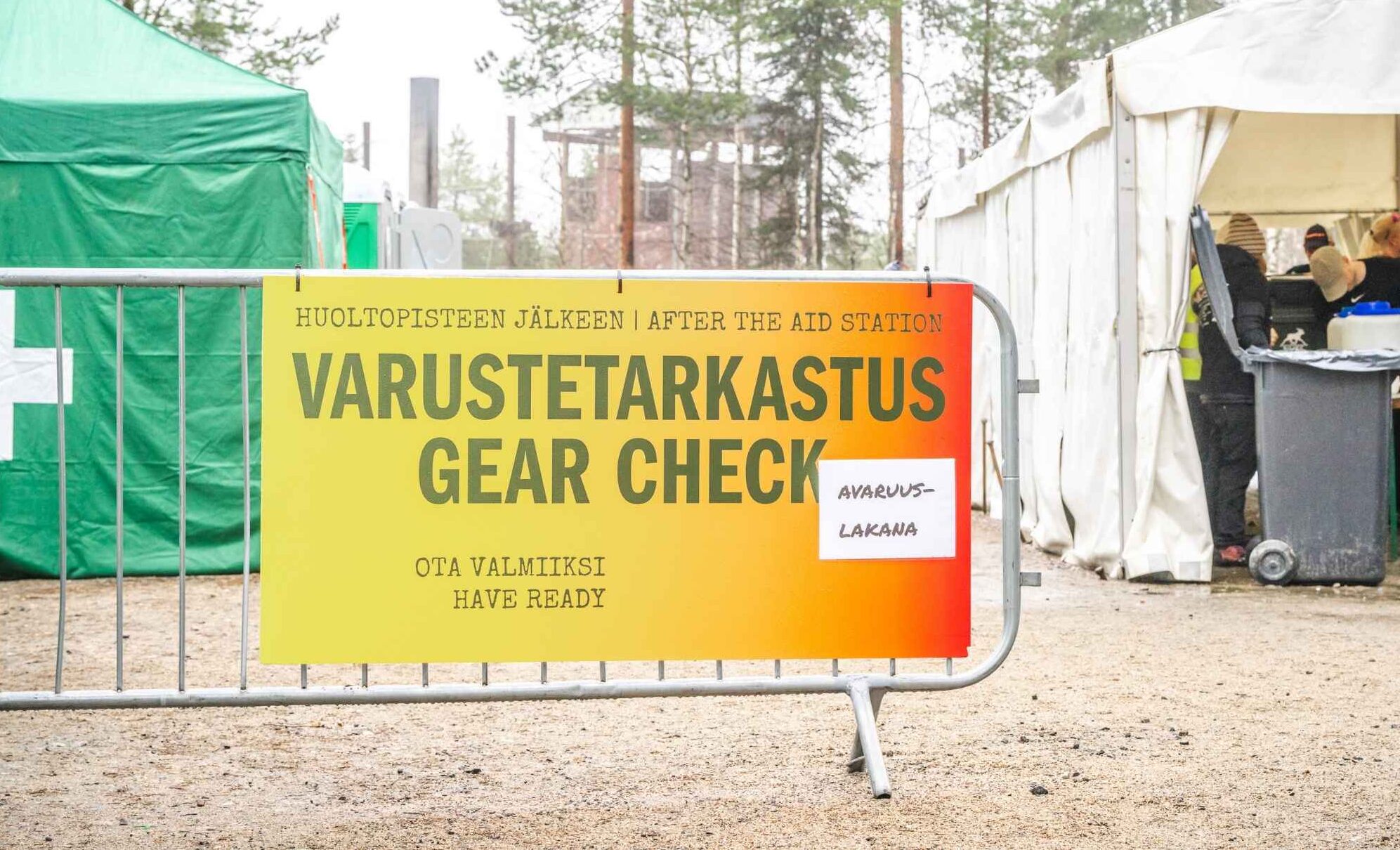
Equipments
Emergency Blanket
Carry one as emergency insulation. An emergency blanket helps prevent hypothermia if you have to stop in cold weather or get wet on the trail. It reflects body heat and also serves as a shield against wind and rain. Small, light, and could save your day – or your life!
Elastic Adhesive Bandage
Pack one in a waterproof package (min. 6 cm x 100 cm). A key first aid item for sprains, wound coverage, or support if you get injured. Adhesive bandages stay in place without extra fasteners and may help you keep going or stay stable while waiting for help. Small but important gear that can make a big difference!
Trekking Poles
If you use poles, you must carry them for the entire distance. Poles cannot be left at aid stations, picked up along the course, or sent in a drop bag – they can break during transport and may damage other runners’ gear.
Poles can be a great help on climbs, technical sections, and long efforts – but only if you know how to use them properly. If you’re planning to use poles in the race, practice with them in training – otherwise you risk overuse injuries or they may just get in your way. Know what you’re doing – or leave them home!
Hydration Bottle or Reservoir
Carry a hydration bottle or reservoir with a minimum capacity of 0.5 liters. You can only stay properly hydrated if you carry fluids with you – aid stations are spaced out, and a quick drink there isn’t enough to maintain hydration. Choose what works best for you: soft flask, hard bottle, or bladder that fits your pack or vest comfortably.
Spoon
Bring a spoon – there are no disposable spoons at aid stations or at the finish. You’ll need it for post-race soup, and on ultra distances, possibly at aid stations too. A lightweight camping spoon is easy to pack and ensures you won’t go hungry when food is available!
Mobile Phone with Charged Battery
Keep your phone protected from moisture, with sound on, and save the emergency number +358 40 6605 281. Your phone is the primary tool for getting help – for yourself or for fellow runners. Organizers may also try to reach you if needed. Always answer, even if you feel fine!
Emergency Whistle
Carry one for emergencies – many running vests have a built-in whistle. A whistle signal travels farther than a shout and helps rescuers find you faster if you need assistance. Small, light, and can be a lifesaver in a tight spot!
Cup
Bring your own cup – there are no disposable cups at aid stations. We protect the environment by reducing waste. Cups are also the fastest way to hydrate at aid stations – easy to fill with drinks, and they can also hold small snacks. Unlike flasks or reservoirs, a cup is ready to use instantly – sip, refill, and go! A lightweight, collapsible cup is the smart choice.
Headlamp or Emergency Light
Carry a light source with sufficient brightness. Even if you’re not running in the dark, a light helps you move safely in emergencies and makes you easier to spot. An exhausted or injured runner is much more visible with a light than in total darkness. A lightweight headlamp is best – don’t forget spare batteries or enough charge!
Gloves
Bring warm gloves – it can get surprisingly cold at night or in sheltered terrain. River valleys, hollows, and open areas may trap cold air, and cold hands make everything harder: eating, handling gear, even maintaining proper running form. Light gloves are often enough, but in colder conditions, opt for thicker or windproof ones.
Emergency Energy
Carry at least 250 kcal of emergency energy. If you run out of strength or the journey takes longer than expected, that extra fuel can make all the difference. Pick something long-lasting and easy to eat, like an energy bar, gel, or nut mix. Keep it separate – it’s for emergencies only!
Power Bank
Bring a power bank to ensure your phone battery lasts all the way to the finish. Cold temperatures, using GPS maps, and long hours all drain battery faster than you might expect. Without battery you can’t call for help, use maps, or receive important messages. Also, the race emergency team can’t contact you if your phone is off – which can be critical in a crisis. Choose a lightweight power bank and don’t forget a charging cable that fits your phone. No battery is no excuse to drop out unnoticed!
Waterproof Shell Jacket with Hood
Carry a weatherproof shell jacket with a minimum water column rating of 10,000 mm. Protects against rain, wind, and cold, which is vital on long distances and regardless of the time of day. A hooded jacket ensures you stay warm and dry even in tough conditions. Lightweight and packable – essential gear for changing weather!